
Bold Movements
Edition 2, 2026
Welcome to another edition of Bold Movements!
Across communities in Uganda, Kenya, Tanzania, and Ethiopia, young people, parents, mentors, and community leaders are creating change in ways that are bold, practical, and deeply human.
In this edition, we spotlight stories of people using creativity to create livelihoods, fathers rethinking what parenting looks like, young mothers finding confidence and leadership, and teams learning what meaningful inclusion truly requires in everyday work.
These stories remind us that lasting change rarely happens through one person alone. It happens when communities are trusted, when young people are supported to lead, and when people choose to bring others forward with them.
As CRVPF continues reflecting on 10 years of learning, partnership, and prevention-focused work, this edition also highlights conversations and stories from our newly released Annual Report 2025- Going Together.
Thank you for being part of this movement.
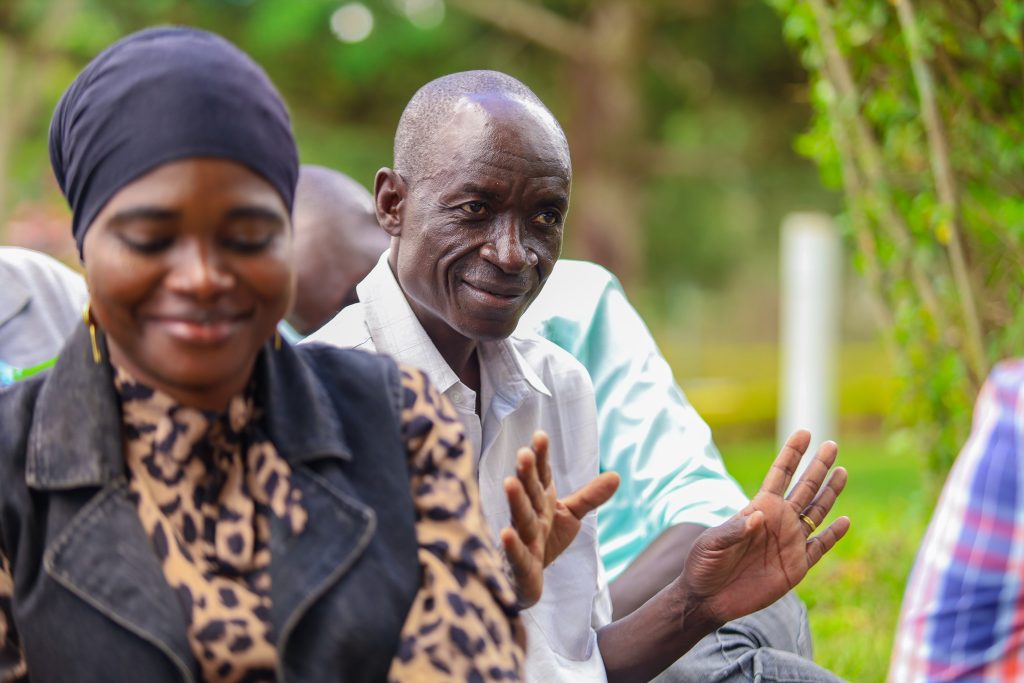
Bold Threads & Bolder Futures: Inside the Pakasa Fashion Show
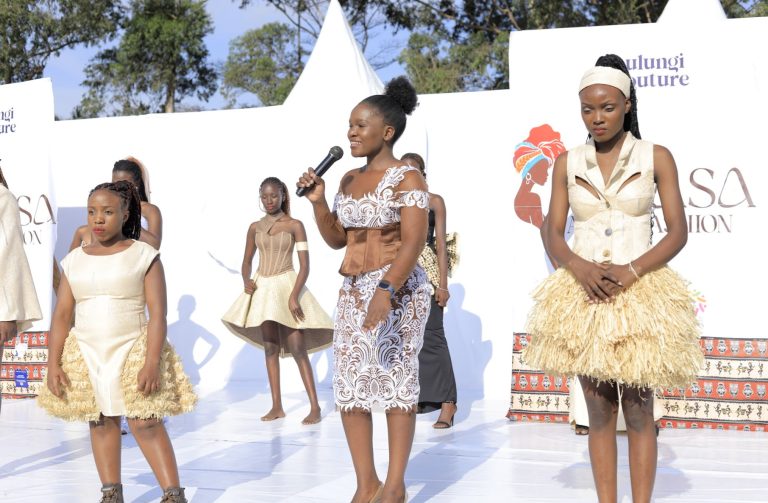
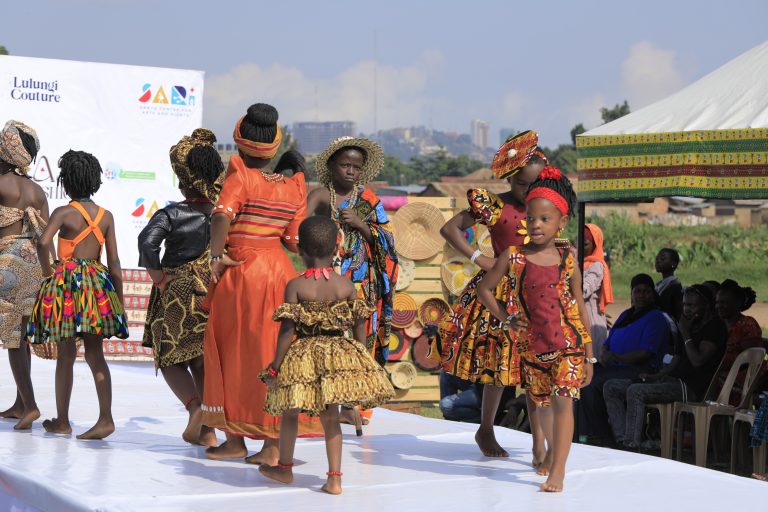
The usually quiet grounds of Express Playground in Kyebando, Kampala, came alive one sunny afternoon in March as drums echoed across the field and young designers prepared backstage for the Pakasa Art and Fashion Showcase, held in celebration of International Women’s Day 2026.
Led by Joanita (Joanna) Nabagesera, founder and CEO of Lulungi Couture and an alumna of the Empowering Youth Through Data and Community Development (EYDCD) program implemented by CRVPF, gnuGrid CRB and community partners, with support from Mastercard Foundation, the showcase brought together young designers, artists, community members, and local leaders to celebrate creativity as a pathway to entrepreneurship, inclusion, and economic opportunity for young women and youth in the community.
Children, young women and men, and persons with disabilities confidently walked the runway in bold Afro-contemporary designs crafted from locally sourced materials including bark cloth, kitenge, sisal, and kikoyi. Beyond showcasing fashion, the event demonstrated what becomes possible when young people are invested in and trusted to lead. Many of the featured designers had been trained or mentored through Lulungi Couture, with Joanna using the opportunities and skills she gained to create a platform that opened doors for other emerging creatives in her community.
“Last year I attended a fashion show that really inspired me. The concept focused on environmental sustainability, and designers created clothes from recycled materials. I showcased outfits I made from old curtains, and it made me realize I wanted to create something similar in my own community. Many talented young designers don’t get a chance to showcase their work, so I wanted to create a platform where they could gain visibility and confidence early in their careers.”- Joanna
Following the showcase, participants gathered for a community dialogue on inclusion, entrepreneurship, and the future of the creative industry. Speakers emphasized the importance of creating opportunities where all young people, including young people with disabilities and those living with HIV, can participate, earn incomes, and thrive through creativity and innovation. Tonny Mulenzi from Light for the World highlighted the need for inclusive spaces and equal access to opportunities, while EYDCD Youth Representative Priscilla Kirabo encouraged young people to use digital tools strategically to generate income and build livelihoods. Sarah Ameri from CRVPF reflected on the organisation’s inclusive community approach, which works with families, savings groups, parents, and young people collectively to ensure no one is left behind.
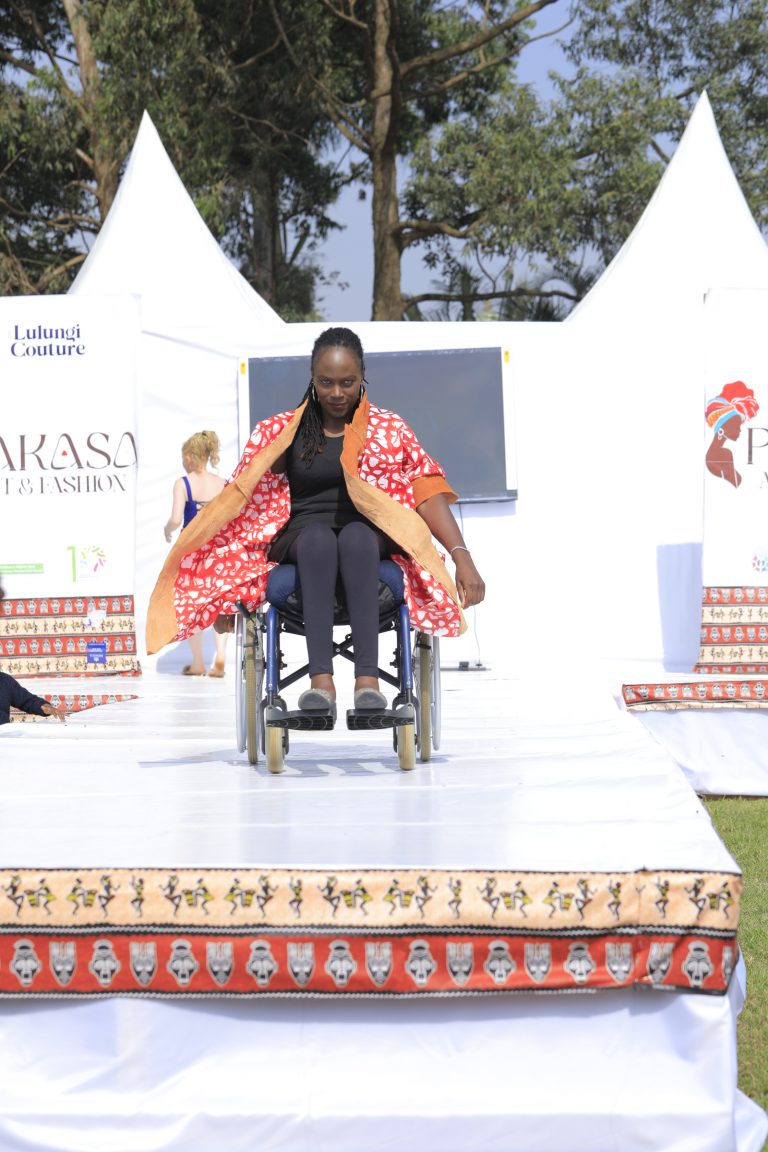
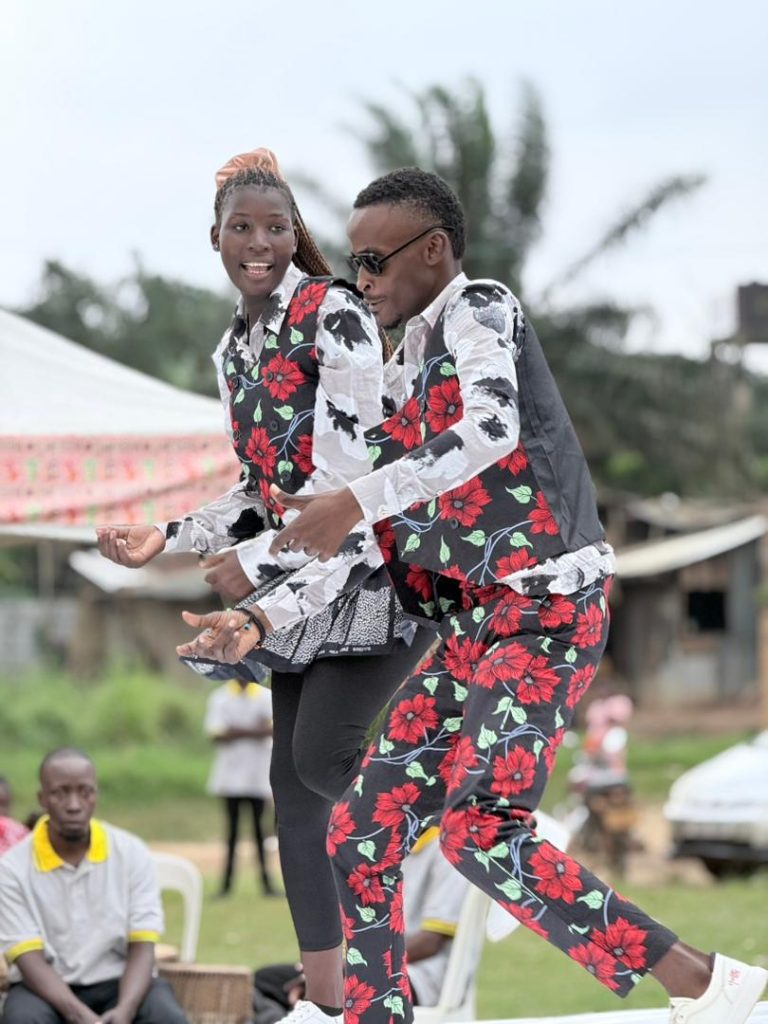
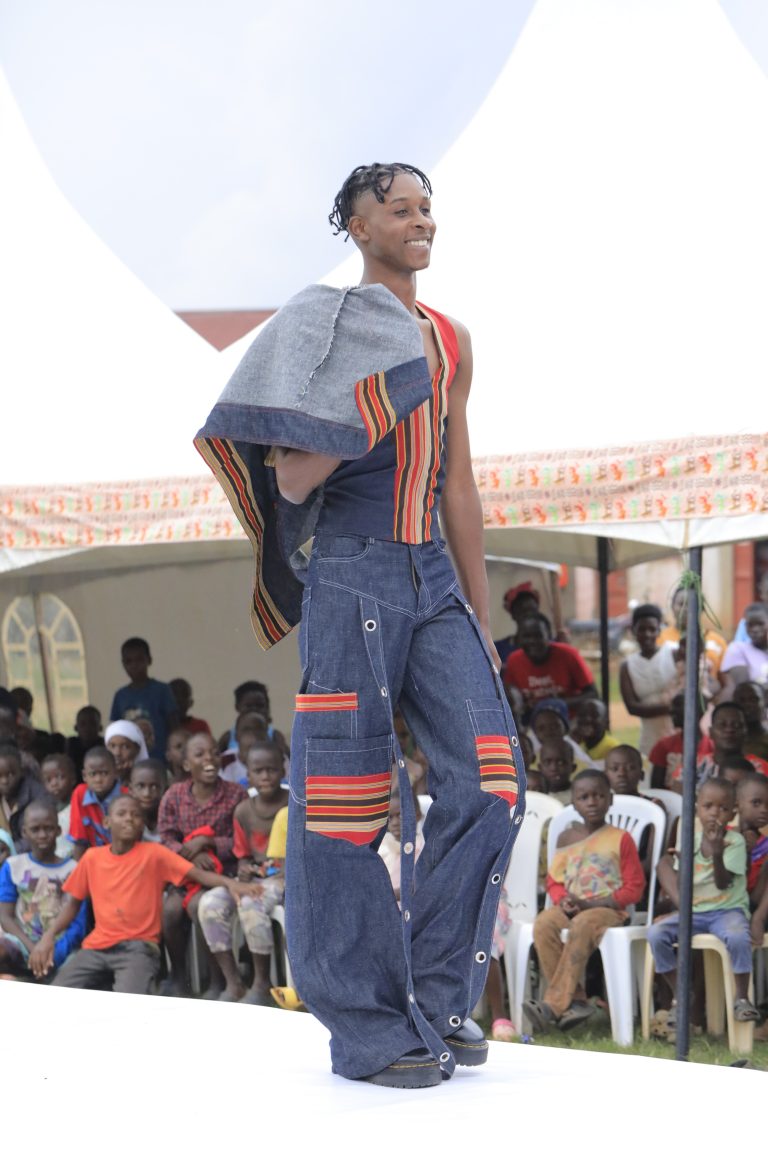
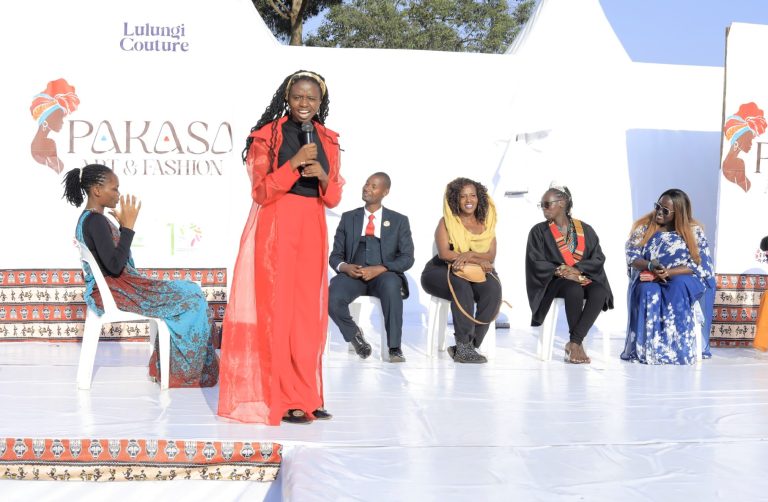
Asiimwe Hajarah, a Mastercard Foundation Youth Advisory Board member and Team Lead at Anret DIGTECH Foundation, also spoke about reducing stigma and creating spaces where all young people feel seen, valued, and empowered to express themselves and build sustainable livelihoods. Together, the conversation reinforced the importance of building communities where creativity, inclusion, and economic opportunity go hand in hand.
As the event came to an end, several designs were sold, and Joanna says potential buyers have continued reaching out to purchase pieces from the collections. For many in the community, Pakasa demonstrated the transformative power of investing in young people’s creativity, talent, and leadership. For the young designers who walked the Kyebando runway that afternoon, the showcase was more than a fashion event, it was proof that when young people are supported, trusted, and given opportunities to grow, they not only build livelihoods for themselves, but also create opportunities and inspiration for others around them.
She Found Her Voice and Began Helping Others Find Theirs: Doreen’s Story
There is a striking difference between the Doreen Ngobi who first walked into the Kyogala Safe Space and the woman who now stands as the newly elected General Secretary for Namayingo District, Jinja.
When Doreen became a young mother, the stigma and shame surrounding her situation made her withdraw from others. Speaking in front of people, introducing herself, or sharing her thoughts felt impossible. “At the time, I was young, I had dropped out of school, gotten married, and I was very shy,” she recalls.
But like many young women, Doreen carried quiet hopes for something more, so when she heard a local chairman announcing a program for adolescent girls and young mothers, one that would help build confidence, provide life skills, and open opportunities for skilling, she decided to join.
Through the Safe Space intervention under CRVPF’s Adolescent Girls Power Program (AGPP), Doreen learned hairdressing, snack making, flower weaving, marketing, saving, and leadership skills alongside other girls and young mothers. In the process, she found friendship, a sense of belonging, and a supportive community that helped her grow in confidence and hope for the future.
Slowly, the shy young woman who once feared speaking up began mentoring other girls and young mothers facing challenges similar to her own. The team from Omwana Cluster who support the safe space and fellow participants noticed her transformation and selected her to become a mentor in the program.
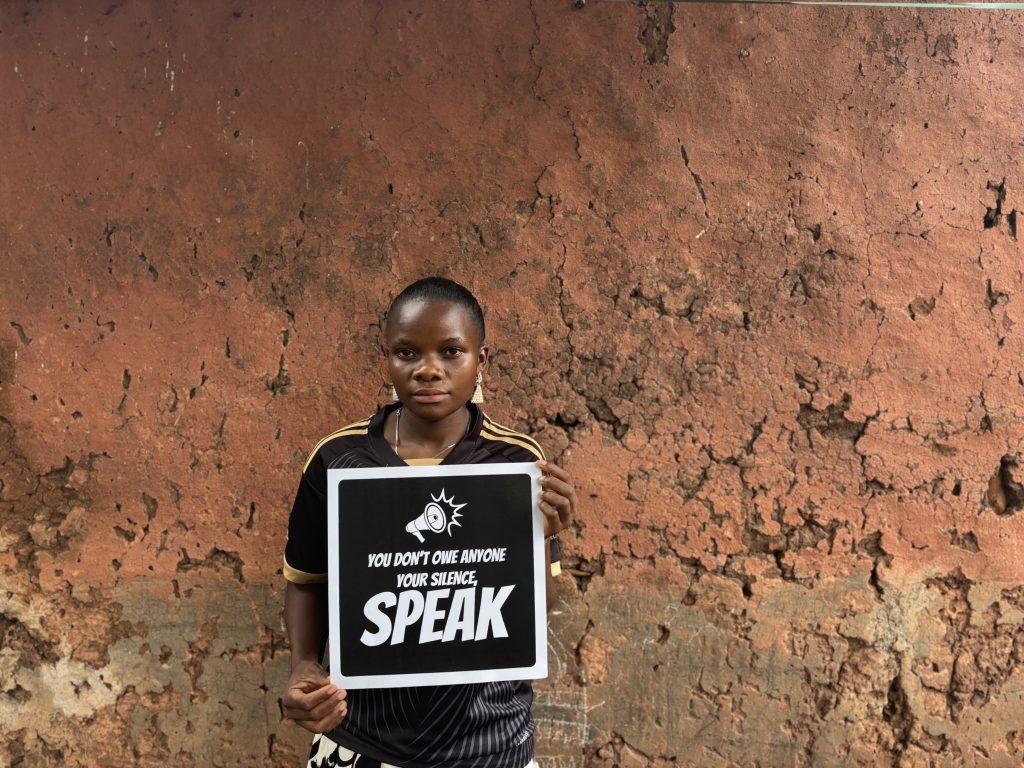
As a mentor, Doreen began facilitating discussions, encouraging other girls to stay engaged in the program, and speaking at community meetings. The role gave her opportunities to practice public speaking, build relationships with local leaders, and gain confidence in representing the concerns of adolescent girls and young mothers. Over time, community members began to recognize her as someone who could mobilize others and advocate for positive change. Encouraged by the trust and support she received, Doreen successfully ran for election and was voted General Secretary for Namayingo District, Jinja.
Today, Doreen stands tall as a respected community leader. Together with her husband, who became increasingly supportive after witnessing her growth, they now run a thriving snack shop and mobile money business.
Her story is a powerful reminder of what happens when adolescent girls and young mothers are supported, trusted, and given opportunities to grow. The impact does not stop with one person, it spreads to families, communities, and other young women searching for hope.
As Doreen says: “Just because you are a teen mother does not mean your life is over. You can still achieve your dreams and become someone in life.”
Fathers Believe Other Fathers: Juma’s Story
For a long time, Juma thought parenting and parenting programs were mainly a woman’s responsibility. His role as a father, in his mind, was to provide money, keep order at home, and make the decisions. Conversations with children, caregiving, and household responsibilities were not things he saw as his role.
Yet despite working hard for his family, something did not feel quite right. His children respected him, but they rarely chatted with him directly. Most of what he learned about their lives came through their mother, and home often felt quiet and distant rather than warm and connected. Juma had accepted this as normal, believing that this was simply how fathers related to their families.
What convinced him to join Parenting for Respectability (PfR) sessions was not a flyer or a community announcement, it was hearing other men talk honestly about their own families. Fathers spoke about becoming calmer at home, communicating better with their wives, and building closer relationships with their children. Hearing those stories from other men made Juma curious enough to attend.
Through the Father on Duty movement under CRVPF’s Prevention of Violence against Children and Young People (PVAC) program, fathers gather in spaces where men speak openly with other men about parenting, relationships, pressure, anger, and responsibility. The sessions use storytelling, discussions, role plays, and reflection to challenge harmful ideas around masculinity, discipline, and caregiving.
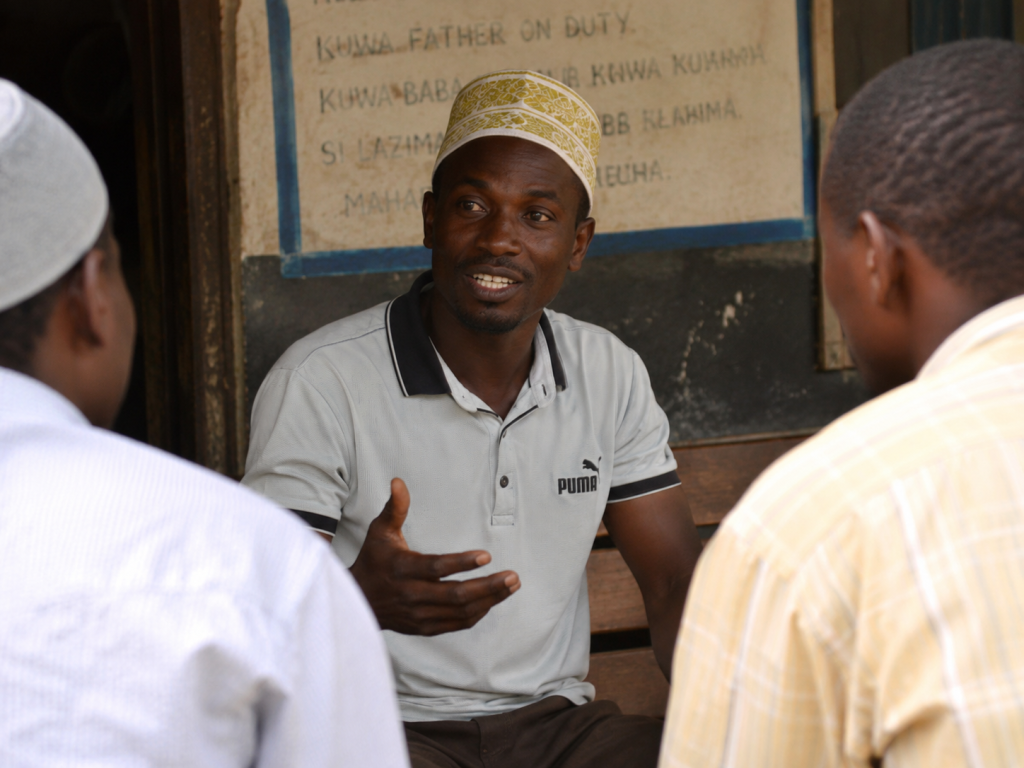
For Juma, the changes became visible at home. His children became more comfortable approaching him and talking to him about their lives. The tension that had once shaped many interactions in the household began to ease, and rather than being someone his family feared, Juma became someone they could talk to, laugh with, and rely on for guidance.
The transformation was significant enough that other men in the community began to notice. Today, Juma uses his own experience to encourage fellow fathers to join PfR groups, often sharing how strengthening his relationship with his family changed the atmosphere in his home. Through these conversations, he challenges other men to rethink what fatherhood can look like.
As he puts it: “Father on Duty taught me that being a man means caring, listening, and protecting my family without violence.”
Staff Spotlight: Sarah Ameri Alum
Today, we spotlight Sarah Ameri Alum, CRVPF’s Regional Grants and Finance Manager, whose reflections on mentorship, inclusion, and adapting the way we work offer an important reminder that meaningful inclusion often begins in everyday interactions.
In CRVPF’s Annual Report 2025, Sarah reflects on her experience working alongside Assumpta, a young professional with a hearing disability in the finance department. Having navigated her own experiences with disability, Sarah never questioned Assumpta’s ability to contribute. Instead, the experience challenged the team to think differently about how they communicate, collaborate, and support one another in the workplace.
“People with disabilities have a lot to offer. We should not assume that they cannot contribute meaningfully. Assumpta is very intelligent. When you give her a spreadsheet, she can analyze the data and do the work effectively.”
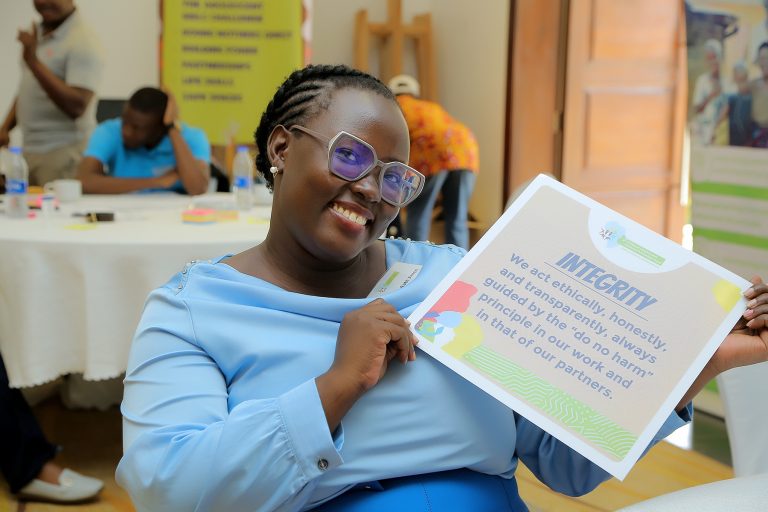
What began as a mentorship experience soon became a learning journey for the entire team, as tasks that were once communicated verbally were documented clearly, instructions became more deliberate, and colleagues grew more conscious of how information was shared. In the process, communication improved, misunderstandings reduced, and the team discovered that practices designed to support one person often benefited everyone.
For Sarah, the experience reinforced a simple but powerful lesson: disability is not inability. When organizations focus on removing barriers rather than making assumptions, talent, potential, and leadership have room to flourish.